Signs You Need Window Replacement
(Before It Gets Worse)
Learn the early warning signs of failing windows, understand when repair is no longer enough, and find out how to decide the right next step before energy loss, moisture, and structural issues grow.
Request an Assessment
Tell us what you are noticing and our team can advise on the next step.
Quick Summary
- Drafts, condensation, and rising bills are common early warning signs
- Multiple issues at once often point to replacement rather than repair
- Older windows can reduce comfort, efficiency, and property value
- Delaying action usually turns smaller issues into bigger costs
If you are noticing more than one of these issues, a professional assessment is usually the smartest next move.
10 Clear Signs You Need Window Replacement
You may need window replacement if you notice drafts, condensation between panes, rising energy bills, difficulty opening or closing windows, outside noise becoming more obvious, visible frame damage, water leaks, cold glass surfaces, fading furniture, or windows that make the property look outdated.
On their own, some of these problems may seem minor. But when several appear together, they usually point to failing seals, reduced insulation, structural wear, or windows that are no longer performing as they should.
Detailed Breakdown of Each Warning Sign
The signs below are not random surface issues. Each one points to a performance problem that affects comfort, security, energy efficiency, or the long-term condition of the property.
Drafts and Cold Air Around Windows
If air is coming through even when the windows are closed, your seals have likely failed. This leads to heat loss, reduced comfort, and higher heating costs.
Condensation Between Glass Panes
Fog inside double or triple glazing means seal failure and insulation breakdown. Once this happens, the window loses energy efficiency.
Rising Energy Bills
Old or inefficient windows force your heating system to work harder. Uneven room temperatures, higher winter bills, and constant heating usage are strong clues.
Difficulty Opening or Closing
This often indicates frame warping, hinge damage, or poor installation. It can also become a safety issue in emergencies.
Outside Noise Becoming More Noticeable
If traffic, wind, or conversation suddenly feels louder, your glazing insulation may no longer be effective. Modern double and triple glazing reduces sound far more effectively.
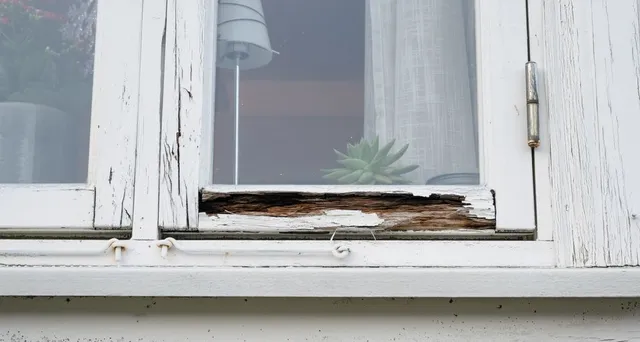
Visible Damage (Cracks, Rot, Warping)
Check for cracked glass, soft timber, or bent uPVC frames. Structural damage spreads, and delaying replacement often increases overall cost.
Water Leaks Around Frames
Water entering your home indicates failed seals, poor drainage, or installation issues. This can lead to mould, internal wall damage, and long-term structural problems.
Cold Glass Surfaces
If the glass feels freezing from inside, insulation is weak and heat is escaping. This is common in older glazing systems.
Fading Furniture or Flooring
UV rays entering through older glazing can damage flooring, curtains, and furniture over time. Modern windows usually provide better protection.
Outdated Appearance
Old windows reduce curb appeal, weaken buyer perception, and can affect property value. Replacement improves both function and appearance.
How Long Do Windows Last?
Lifespan depends on material, maintenance, and exposure, but windows do not last forever. Knowing the typical range helps you judge whether the problem is isolated or part of the product reaching the end of its life.
uPVC Windows
15–20 years is a common lifespan range for many uPVC systems.
Aluminium Windows
20–30+ years is common where systems are well-made and correctly installed.
Timber Windows
30–60+ years is possible with the right maintenance, though upkeep is higher.
Repair vs Replacement — What’s the Right Choice?
Not every problem automatically means full replacement. But not every issue should be patched either.
Choose Repair If:
- the issue is minor, such as a handle or hinge fault
- the structure of the window is still intact
- there is no major insulation failure
Choose Replacement If:
- multiple issues exist at once
- seals are broken
- frames are damaged
- energy efficiency is poor
What Happens If You Ignore These Signs?
Most homeowners do not lose money because they replace too early. They lose money because they wait too long.
Higher Energy Costs
Poor-performing windows allow more heat to escape and make the property harder to keep comfortable.
Moisture & Mould Issues
Leaks and failed seals can affect walls, reveals, and internal finishes if left unresolved.
Bigger Repair Bills
What starts as a smaller issue can develop into wider damage, more labour, and more disruption later.
When Is the Best Time to Replace Windows in the UK?
Timing can help with scheduling and comfort, but it should not override the condition of the windows themselves.
Spring & Summer
Usually the easiest time for installation conditions and homeowner convenience.
Autumn
A smart time to upgrade before colder weather begins putting more strain on inefficient windows.
Winter
Still possible, but less ideal in some cases. If the windows are failing badly, waiting is not always the best option.
What Should You Do If You Notice These Signs?
The best next move is to stop guessing and assess the condition properly.
-
1Inspect all windows in the property Look for repeated problems, not just one isolated issue.
-
2Identify recurring issues Drafts, leaks, and failed units across multiple rooms are a stronger replacement signal.
-
3Compare repair vs replacement Think in terms of lifespan, performance, and future cost — not only today’s spend.
-
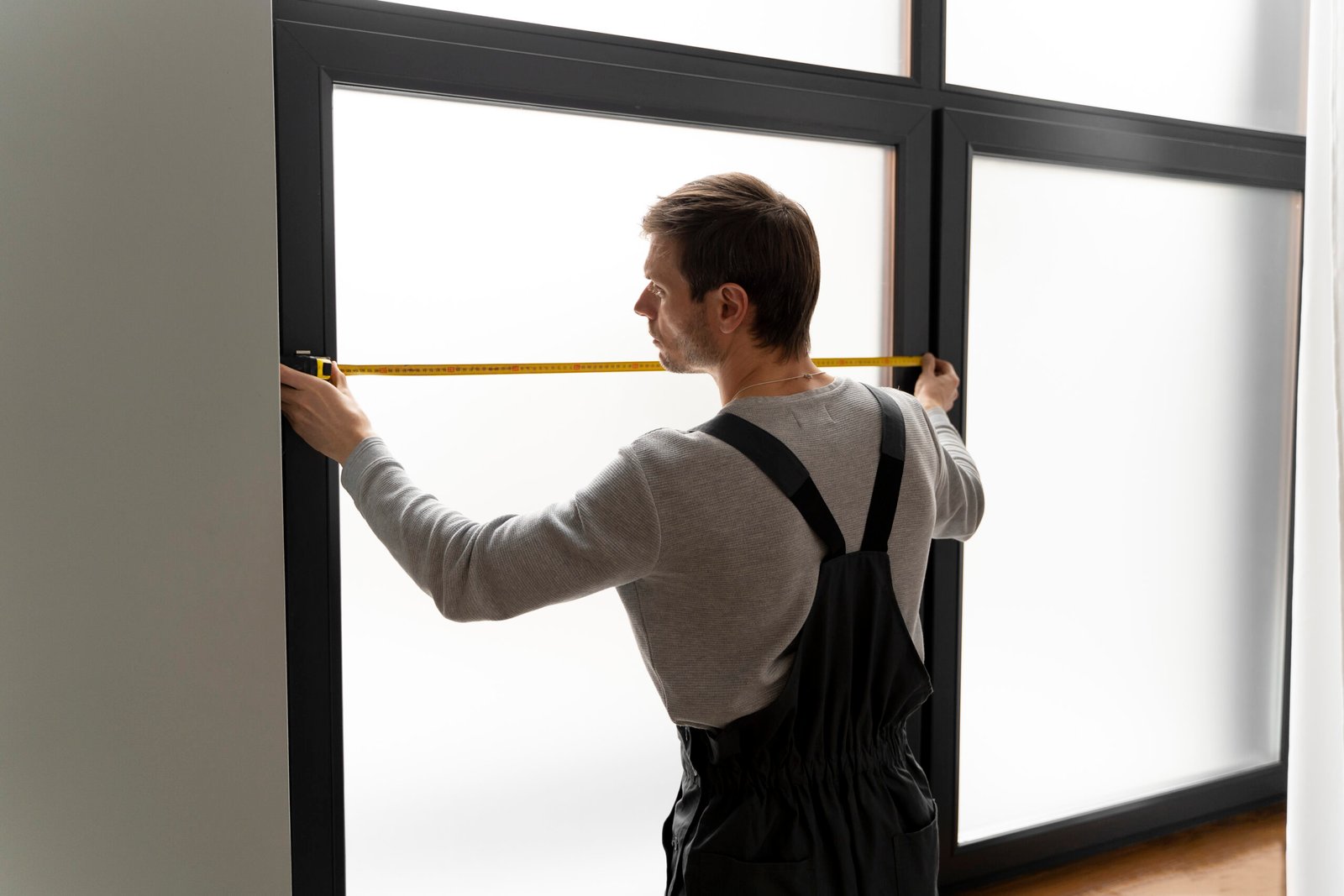
4Get a professional assessment A proper inspection gives clarity on what should be repaired, replaced, or prioritised first.
Get a Professional Window Assessment in Birmingham
If you are unsure whether your windows need repair or full replacement, a professional inspection is the clearest way forward.
A proper assessment helps you understand the condition of the windows, avoid unnecessary spending, and get recommendations that actually fit the property.
Every property is different, so the most accurate advice always comes from looking at the actual frames, glazing, and performance issues in context.
This Assessment Helps You:
- understand the real condition of the windows
- avoid paying for unnecessary work
- get clearer repair vs replacement guidance
- make a decision based on the property, not guesswork
Frequently Asked Questions
If you notice drafts, condensation between panes, difficulty operating windows, or rising energy bills, your windows may need replacing.
In many cases, yes. Replacing multiple windows together often reduces installation inefficiency and improves consistency across the property.
Most windows last between 15 and 30 years depending on material, installation quality, and maintenance.
Spring and summer are often easiest, but replacement can be done year-round if necessary.
Book a Window Assessment in Birmingham
If your windows are showing signs of failure, the best next step is to get a clear, property-specific assessment. That helps you understand what needs repair, what needs replacement, and what solution actually makes sense for your home.